


Bete Grise
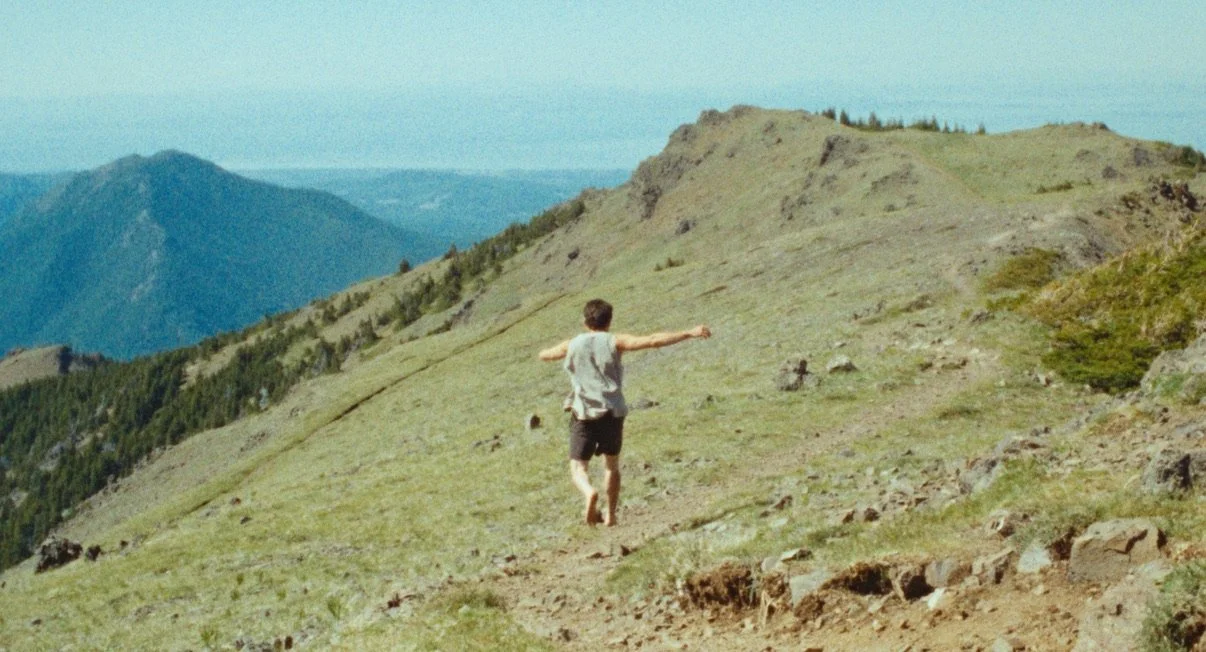
Bete Grise (“bay-duh gree”) takes their name from a vast bay overlooking Lake Superior on Michigan’s remote Upper Peninsula, just down the road from lead singer/songwriter Solomon Kronberg’s childhood home. Derived from the French bête grise, meaning “gray beast”, the place is shrouded in mystery: local legend describes sightings of a supernatural gray creature that roamed the area; others say the sand on the beach “sings”, the personified cry of an ancient Native American woman who lost her drowned lover in the lake. Whether or not you believe in its haunted reputation, the place evokes a sense of infinitude, offering a natural beauty that is both terrifying and awe-inspiring, not unlike Kronberg’s adopted home: Washington’s Olympic Peninsula.
Kronberg’s songs reflect his environment: expansive guitar tones rendered in explosive moments of triumph, timeless melodies offered in quiet confession, and wide-ranging lyrics that explore themes of loss, yearning, hope, and a search for belonging in the vastness of the wilderness. If there is a thesis to Bete Grise’s debut full-length, “Easter Mountain”, it can be distilled into the title track. Soft murmurings of guitar give way to transcendent moments of noise, carrying lyrics that describe:
Where the highway is a hallway
Circle starting
A ring that never ends
This confounds me, just confounds me
Says Kronberg, “For me, the album is about liminal states of mind. Wandering, working, loving, all ‘real’ experiences. But the songs document moments where I felt overwhelmed by the unreality of life, or maybe moments that felt like blurs of dreams and waking. Imaginary memories and thoughts. Who knows.”
Like the mist that forms over the Olympic Mountains, or the singing of the sand at Bete Grise, “Easter Mountain” brings the listener comfort in the liminality of beauty, offering fleeting glimpses of dreamlike illusion and blurring the lines between mirage and reality.
Links
Listen
Contact
Booking
Label/Licensing
Publicity